HIGH SCHOOL CANOE CAMP
This summer, we return to the beautiful Namekagon River for Canoe Camp, a ten-day journey where teens live on the water, make shared decisions, cook meals together, paddle each day, and set up camp at a new riverside site each night. Each day grows naturally from the one before as participants deepen connection, build confidence, and shape the rhythm of their experience.
Come ready to sing, paddle, listen, speak honestly, cook meals, and play together as we build our camp day by day on the river.
Canoe Camp is shaped in motion. Each day brings new water, new responsibilities, and new decisions, all building naturally on what came before.
Teens step into leadership in real and meaningful ways, helping shape the rhythm, care, and shared life of the group.
FOR RISING 9TH - GRADUATING 12TH GRADERS
NAMEKAGON RIVER, WISCONSIN
2027 DATES COMING IN OCTOBER

Payment plans, sibling discounts, and financial aid are available.
No one who wants to attend is ever turned away for financial reasons.
Why We Offer Canoe Camp
Canoe Camp is not just a trip down the river. It is a shared life, built day by day.
For ten nights, teens step into a different kind of rhythm. They paddle, cook, swim, sing, set up camp, care for gear, gather around the fire, and learn what it means to be part of a group that depends on one another. The river gives the journey its shape, but the heart of the camp is the community that forms along the way.
At this age, there are fewer spaces where teens are invited to step into real responsibility, live closely with others, and engage with one another beyond the surface. At Canoe Camp, responsibility is not abstract. It shows up in small daily ways, carrying a food barrel, helping start dinner, checking in on a friend, loading a canoe carefully, or noticing what needs to be done before being asked.
The trip is meaningful and challenging, but not extreme. The Namekagon is a gentle river, and no prior canoeing or camping experience is needed. The focus is less on technical expedition skills and more on the journey itself, the daily life of camp, and the relationships that grow through shared work, shared laughter, and shared quiet.
In the simplicity of camp life, something shifts. Without the usual rush, screens, and distractions, teens often begin to settle more fully into themselves and into the group. Confidence grows. Friendships deepen. Conversations move past small talk. Campers discover that they are capable of more than they thought, not because they are pushed to perform, but because they are trusted, supported, and needed.
Canoe Camp offers a place for teens to grow in independence, empathy, leadership, joy, practical skills, and care for the natural world. It is full of laughter, singing, good food, honest conversation, and the beauty of northern Wisconsin.
What to Expect: A Day At Canoe Camp
Mornings
Each morning begins with participants being sung awake by the staff, although some may already be up, packing their belongings, deflating sleeping mats, or gathering dew-covered firewood to help start a fire in the crisp morning air. Once everyone is awake, there’s a buzz of activity around camp as we prepare for the day ahead. Time is spent packing up personal items, getting ready, and enjoying whatever can be fit in before breakfast. We pause packing to gather and have breakfast together and briefly check in as a group.
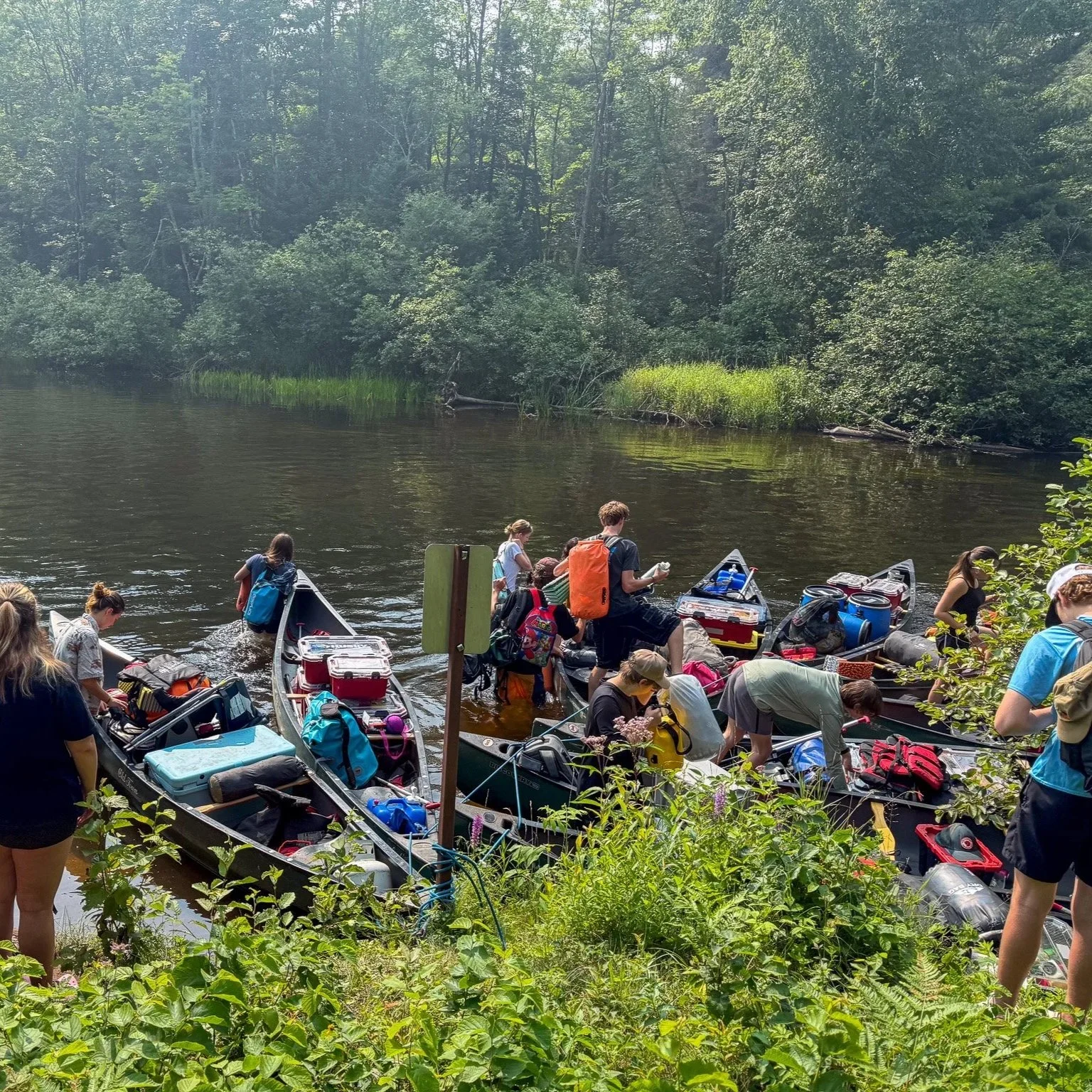
After breakfast, the focus returns to packing away personal belongings, followed by the group gear. The kitchen is closed down, and tents and shelters are taken down as well. Once everything is packed, we circle up to stretch, share a song or two, and discuss the day ahead. We also find our canoe partner for the day. The canoes are carefully loaded—first with group gear and then with personal belongings to ensure an even distribution of weight. After a final sweep of the campsite to make sure nothing is left behind, we set off onto the river.
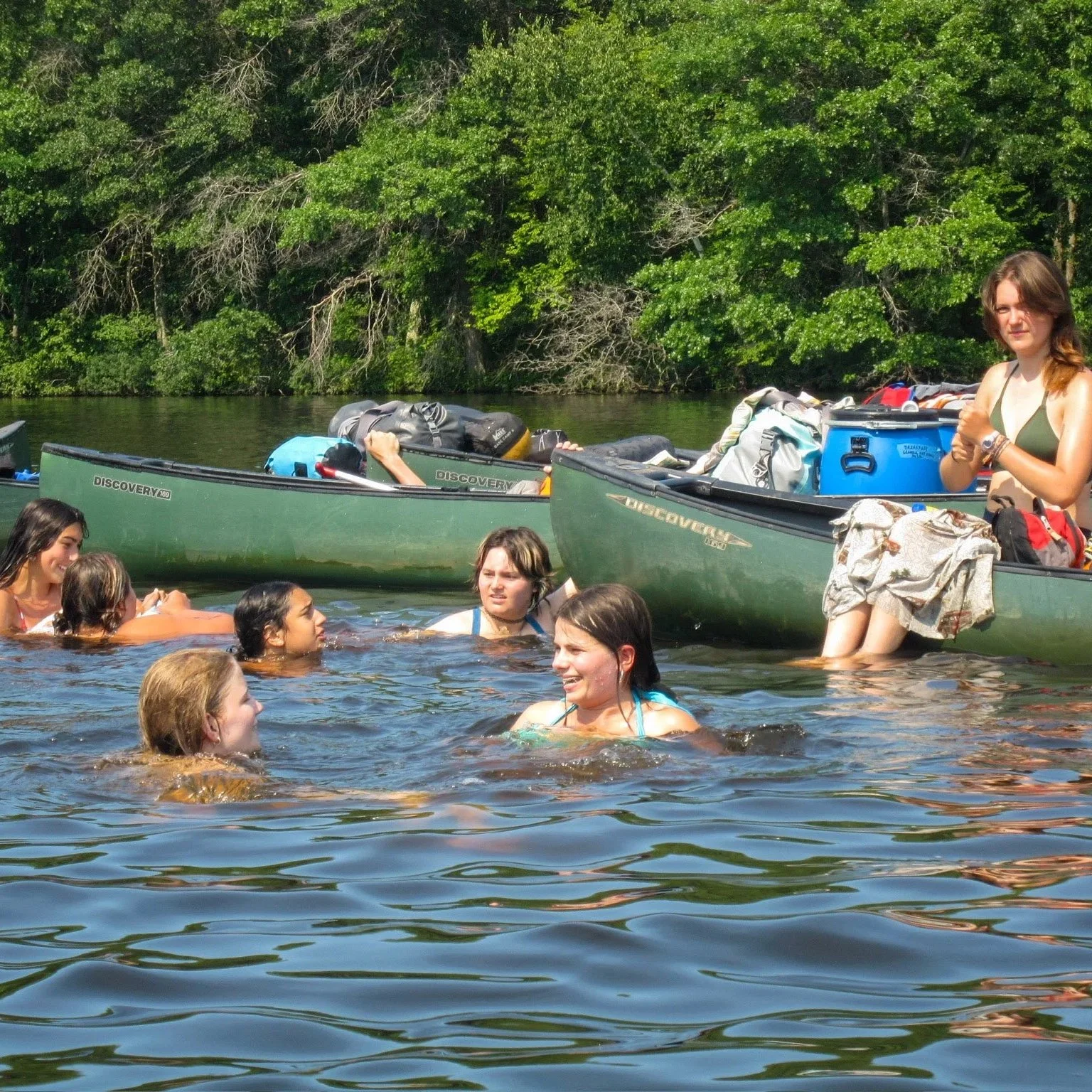
As we paddle down the river, we snack, sing, share jokes and riddles, tell stories, and enjoy the sun, wildlife, scenic views, and fresh air. We take breaks at pleasant swim spots for games, snacks, and water breaks. Depending on the day, we may need to maintain a steady pace or enjoy a more relaxed atmosphere, allowing each canoe to set their own pace. We have lead and back guides to ensure we don’t spread out too thin, and we stop occasionally to let the group catch up. It’s a nice balance between days requiring distance or getting to a desired site, and days where we can simply float, letting the river’s slow, steady current guide us.
As the morning turns into noon, we gather for lunch on the river. We stop together at a sandbank or a beautiful spot to share a hearty lunch, snacks, and more water. After lunch, we continue paddling into the early afternoon, either looking for a suitable group camping site or heading to a known destination.
Frequently Asked Questions
Meet the team
Contact for More Information



Afternoons
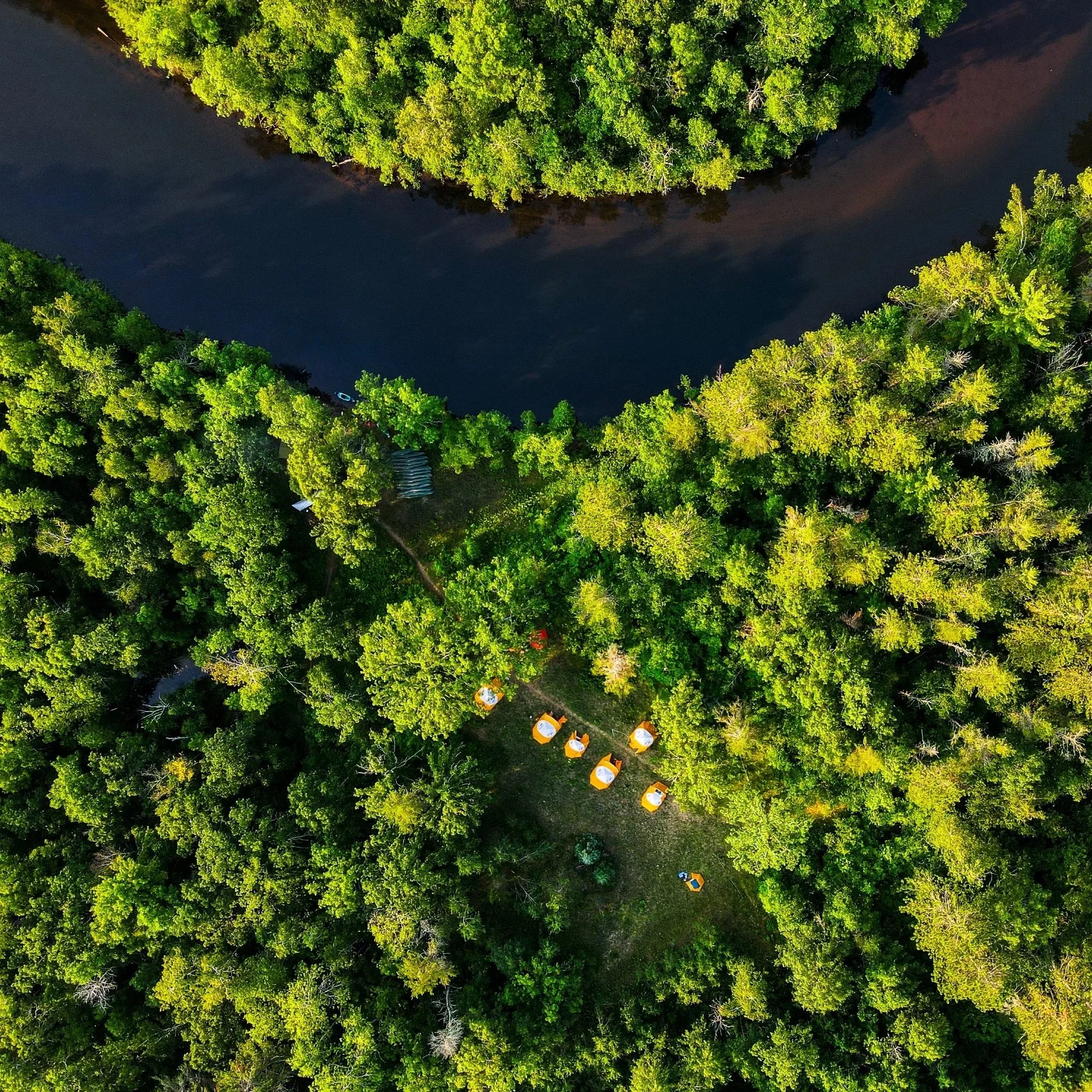
Upon arriving at the campsite, the group works together to unload the canoes and secure them before breaking into smaller teams to set up camp. Some gather firewood, others assemble tents, set up the kitchen, or hoist tarps for extra shelter. Each task builds a sense of shared purpose, reinforcing the camaraderie formed throughout the journey. Once camp is ready and personal gear is tucked away, everyone has time to unwind—whether playing cards, swimming, lounging in hammocks, or exploring the surroundings.
This is a time for both connection and solitude. Some relax with a book or nap in the shade, while others join in energetic games or quiet conversations. As the sun dips lower, laughter and the sounds of nature blend into an atmosphere of ease and contentment. Soon, the cooking crew begins dinner prep, and the aroma of food drifts through camp, signaling the start of an evening spent together under the stars.


Evenings
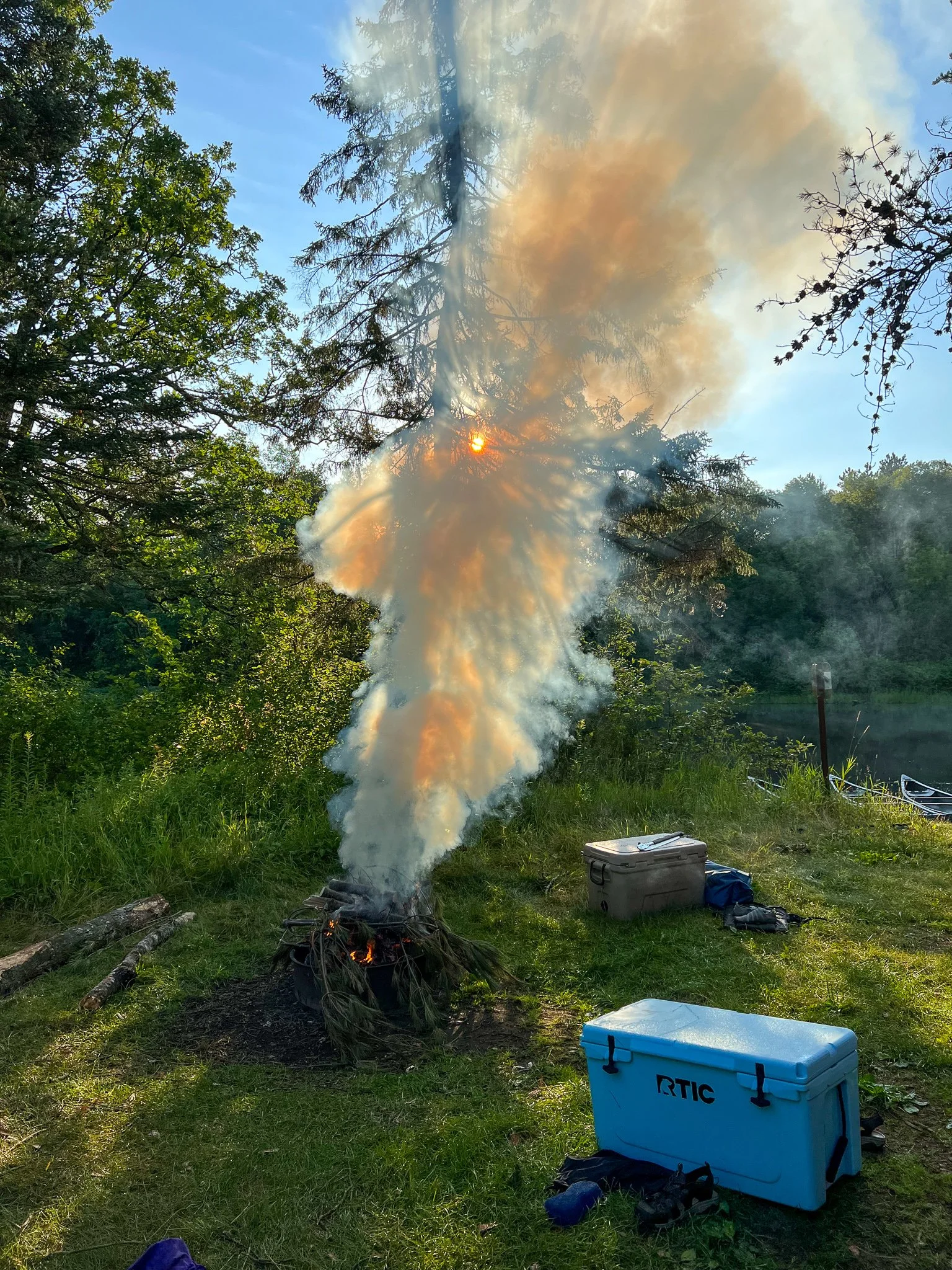
Evenings at camp begin with preparing and enjoying dinner around the campfire. Dinner is one of our favorite moments at camp, as the sun sets, temperatures drop, and we’ve safely arrived at our campsite for the night. Cooking is a big part of camp life, and participants are encouraged to volunteer for the cooking crew. They choose from a variety of meal options based on the day we’ve had—sometimes a warmer, homey meal is needed, and other times a lighter, refreshing meal is perfect after a slower day. We cook together and for one another, and it’s great to prepare the meal for the entire camp.
After dinner, there is a bit more free time while cleanup wraps up and the camp settles in for the night. It’s the perfect time to change into long layers, apply bug spray, and get cozy for the evening ahead. When the moment comes, the entire camp gathers for the evening circle — a time dedicated to sharing stories, songs, and reflections. This tradition brings the entire camp together as one. As the last light fades, we ease into deep conversations or the sharing of stories centered around a theme, often introduced as a "story seed" at breakfast to allow for reflection throughout the day. These discussions are youth-centered, open-ended, and meaningful, creating space for personal insights and shared wisdom. If we're lucky, the distant call of a loon adds to the night's magic.
As the evening circle winds down, we close with a final song, a verse, or a poem, marking the transition to rest. The fire slowly dies as campers drift back to their tents, some quietly chatting or playing cards, while others are already fast asleep. The rhythm of camp settles into a peaceful hush, wrapping up another full day of adventure, connection, and reflection.


Rest Days
While the daily rhythm is consistent, it’s also flexible. We accommodate “rest days,” where we stay at one camp and enjoy a day of relaxation and group activities without the pressure of packing up and paddling. Rest days allow us to change the rhythm as needed, taking into consideration how everyone is feeling, the weather, and the needs of the group.